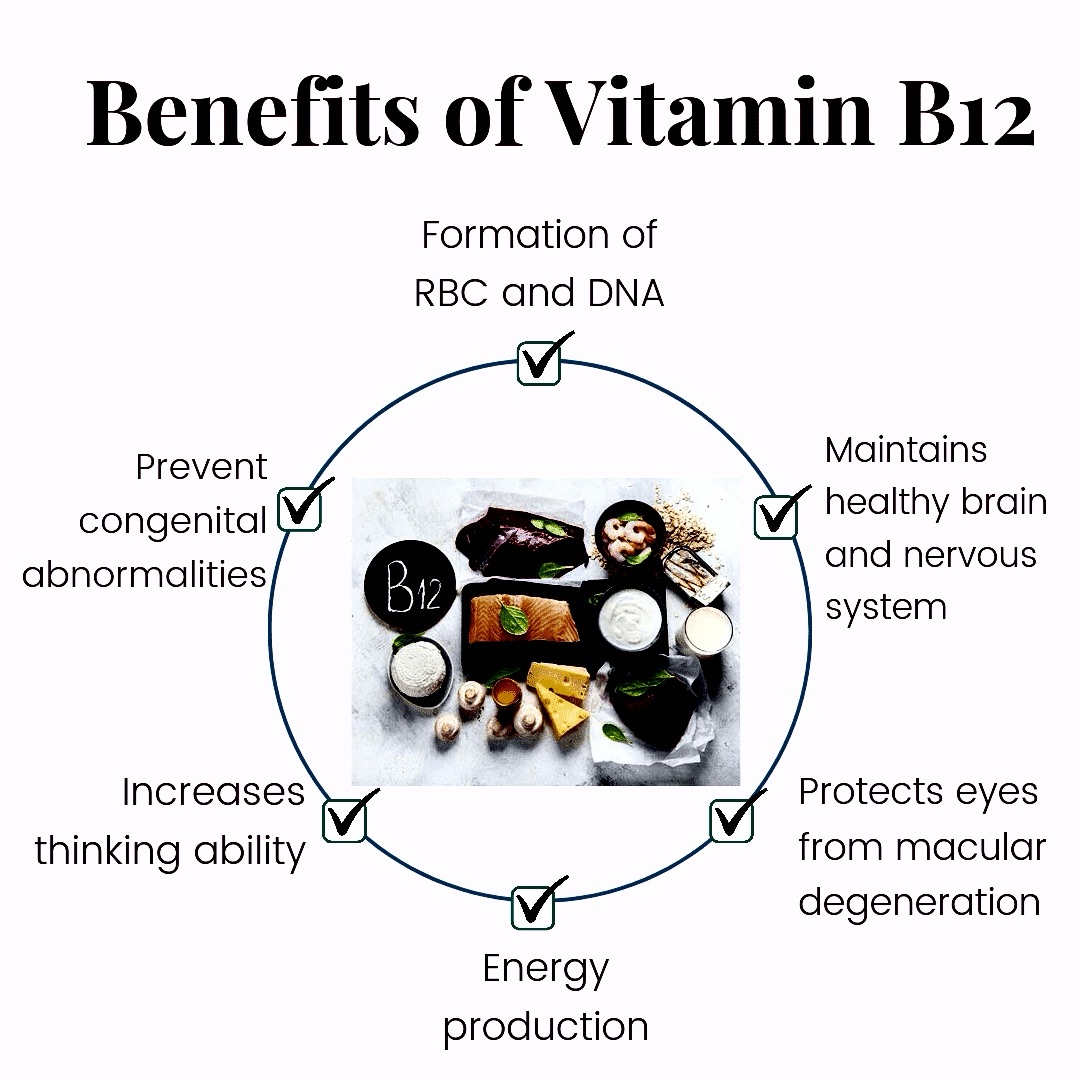

Vitamin B12 stands as a key player in keeping your body running smooth. This nutrient, also called cobalamin, helps build DNA and keeps nerves strong. Without enough, you might feel tired or foggy. In this guide, we cover why Vitamin B12 matters so much. We look at who faces risks and simple ways to get what you need. Think of it as your roadmap to better energy and focus.
Understanding Vitamin B12: More Than Just Energy
What is Cobalamin and How Does It Work?
Cobalamin is a water-soluble vitamin with cobalt at its core. Your body uses two main forms: methylcobalamin and adenosylcobalamin. These active types help turn food into fuel. To absorb it, your gut needs intrinsic factor from the stomach. Without that protein, B12 just passes through unused. This setup makes sure only what you need gets in.
Key Physiological Roles of Vitamin B12
Vitamin B12 supports many body processes. It keeps your nerves covered and blood flowing right.
- Myelin Sheath Maintenance and Nerve Health: B12 builds the myelin layer around nerves. This shield lets signals zip fast. Low levels can slow thoughts or cause pain.
- Red Blood Cell Formation and Oxygen Transport: It aids in making healthy red cells. These carry oxygen to muscles and brain. Without B12, cells grow big and weak, leading to anemia.
- DNA Synthesis and Cell Division Regulation: B12 helps copy genetic code for new cells. This matters for skin, gut, and immune repair. A shortage stalls growth and repair jobs.
These roles link B12 to your daily zip. From sharp memory to steady steps, it all ties back here.
Current Prevalence and Population Needs (Data Integration Point)
Many folks don’t get enough B12. The National Institutes of Health says up to 6% of people under 60 in the U.S. lack it. For those over 60, that jumps to 20%. Worldwide, the World Health Organization notes higher rates in developing spots due to poor diets. Adults need 2.4 micrograms daily, per NIH guidelines. Pregnant women require 2.6, and nursing moms need 2.8. Kids get less, from 0.9 to 1.8 based on age. These amounts keep levels steady. Track yours if you eat plant-based or face gut issues.
Recognizing the Signs: Symptoms and Risks of B12 Deficiency
Common Symptoms of Low B12 Levels
Spotting B12 shortage early helps. Signs tie straight to its jobs in blood and nerves.
- Fatigue, Weakness, and Megaloblastic Anemia: You feel wiped out all day. Big, odd red cells can’t haul oxygen well. This leaves you short of breath on stairs.
- Neurological Issues: Paresthesia and Cognitive Impairment: Tingling in hands or feet signals nerve wear. Memory slips or mood dips follow. Some report brain fog, like trying to think through mud.
Other clues include pale skin or a sore tongue. These build slow, so check if they linger. Early catch prevents worse harm.
High-Risk Groups: Who Needs to Be Most Vigilant?
Not everyone absorbs B12 the same. Some groups face bigger hurdles.
- Vegans and Vegetarians: Lack of Natural Animal Sources: Plants hold little B12. Without meat or dairy, stores drop fast. Many need extras to fill the gap.
- Older Adults: Decreased Stomach Acid and Intrinsic Factor Production: Age cuts acid that frees B12 from food. Less intrinsic factor means poor uptake too. Folks over 50 often test low.
- Individuals with Gastrointestinal Conditions (e.g., Crohn’s, Celiac Disease) or Those on Specific Medications (e.g., Metformin): Gut diseases block absorption sites. Drugs like metformin for diabetes mess with levels. Watch close if this fits you.
These risks make testing smart. Talk to your doctor for peace of mind.
Diagnosing Deficiency: Testing and Interpretation
Blood work spots B12 issues best. Doctors check serum B12 first. Levels below 200 picograms per milliliter flag trouble. They also test methylmalonic acid (MMA) and homocysteine. High MMA means your cells can’t use B12 right. Elevated homocysteine points to the same snag. Don’t guess on your own. A pro reads results with your full health picture. This avoids false alarms from one test alone.
Dietary Sources and Bioavailability of Vitamin B12
Superior Animal Sources of Natural B12
Animal foods pack the most B12. They offer it in forms your body grabs easy.
- Lean Meats, Poultry, and Fish (e.g., Salmon, Tuna): A three-ounce salmon serving gives over 100% of your daily need. Tuna matches that punch. Chicken or beef provide steady amounts too.
- Dairy Products and Eggs: One cup of milk hits 50% of RDA. Yogurt and cheese add more. Eggs deliver about 25% each.
Eat these often for natural boosts. Grill fish or scramble eggs for quick wins.
Fortified Foods and Supplements: Essential for Non-Meat Eaters
Plant eaters rely on added B12. Fortified picks bridge the diet gap.
- Reliable Fortified Options (Nutritional Yeast, Plant Milks): Sprinkle nutritional yeast on popcorn for 200% RDA per scoop. Almond or soy milk often packs 50% per cup. Check labels for real deals.
- Comparing Cyanocobalamin vs. Methylcobalamin in Supplements: Cyanocobalamin is cheap and stable, turns active in body. Methylcobalamin skips that step, suits some better. Both work, but methyl feels gentler for nerves.
Pick based on needs. Vegans thrive on these daily.
Maximizing Absorption: Practical Dietary Tips
Boost B12 uptake with smart habits. Pair it right for best results. Eat sources with meals to aid stomach acid work. Avoid too much booze, as it cuts absorption. If acid’s low, sip a bit of vinegar in water before eating. Space out meds that block it, like antacids. These tweaks help even tricky guts. Track how you feel after changes.
Supplementation Strategies and Treatment Protocols
When to Choose Supplements Over Food
Food first, but supps step in for shortfalls. Use them if tests show low levels. Vegans or gut patients often need this backup. Docs suggest it for quick fixes too. Don’t wait if symptoms hit hard.
Dosage Guidelines and Administration Methods
Doses vary by goal. Start low for upkeep, ramp up for fixes.
- Oral Dosage Considerations for Different Age Groups: Adults take 2.4 micrograms daily for steady levels. Kids get half that or less. Seniors might need 500 micrograms to beat absorption woes.
- The Role of B12 Injections (Parenteral Therapy): Shots deliver straight to blood, skipping gut. Docs use 1,000 micrograms weekly at first for bad cases. Then monthly for hold. Injections suit those with no intrinsic factor.
Pills work for most. Drops under tongue absorb fast too. Pick what fits your routine.
Potential Side Effects and Interactions
B12 stays safe, as extra pees out. Rare upset stomach hits some on high doses. Watch for rosacea flares in sensitive skin. It plays nice with most meds. But flag it if on colchicine or heavy antibiotics. These cut levels. Always chat with your doc before starting.
Conclusion: Securing Your Supply for Lifelong Vitality
Vitamin B12 fuels nerves, blood, and cell growth. Miss it, and energy dips while risks climb. From diet tweaks to supps, you control your intake. High-risk folks gain most from checks and plans. Stay ahead for sharp days ahead.
Key Takeaways:
- B12 keeps nerves coated and blood cells strong.
- Gut woes and plant diets often block good uptake.
- Know your risks and test levels now and then.
Grab a B12-rich meal today. Or book that check-up. Small steps lock in big health wins.