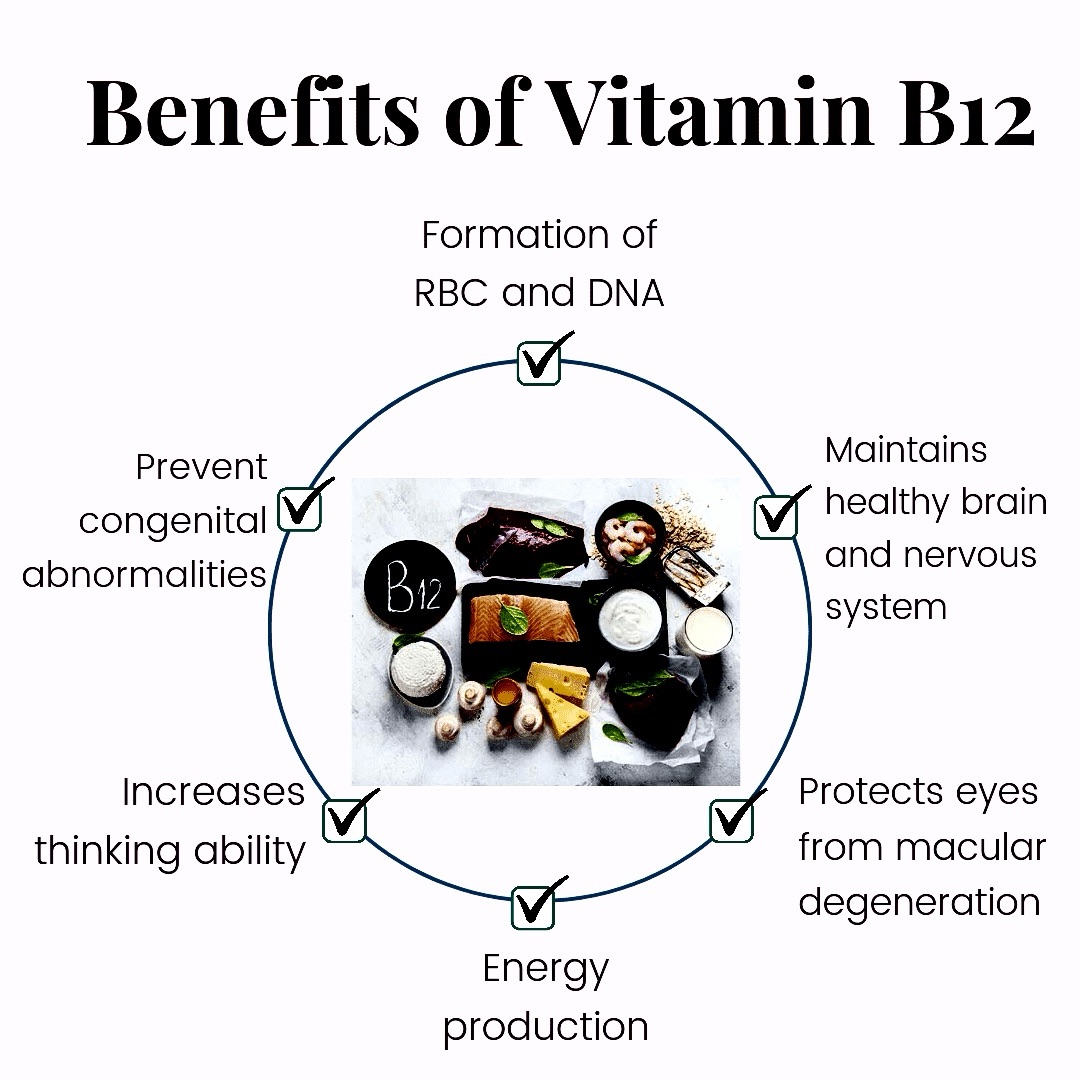
Vitamin B12 stands as a key player in keeping your body running smoothly. This essential nutrient—also known as cobalamin—supports DNA formation, nerve strength, and red blood cell production. Without enough Vitamin B12, you may feel tired, weak, or mentally foggy.
This guide explains why Vitamin B12 matters, who is at risk, and simple ways to meet your daily needs—your roadmap to better energy, focus, and long-term health.
Understanding Vitamin B12: More Than Just Energy
What Is Cobalamin and How Does It Work?
Vitamin B12 is a water-soluble vitamin that contains cobalt at its core. Your body uses two active forms:
Methylcobalamin Adenosylcobalamin
These forms help convert food into energy and support brain and nerve function. For absorption, Vitamin B12 requires intrinsic factor, a protein produced in the stomach. Without it, B12 passes through the body unused—making absorption just as important as intake.
Key Physiological Roles of Vitamin B12
Vitamin B12 supports several vital processes in the body:
Myelin Sheath Maintenance and Nerve Health
Helps form the protective myelin coating around nerves Enables fast nerve signal transmission Deficiency may cause tingling, numbness, or slow thinking
Red Blood Cell Formation and Oxygen Transport
Essential for healthy red blood cell production Prevents megaloblastic anemia Low levels reduce oxygen delivery, causing fatigue and breathlessness
DNA Synthesis and Cell Division
Supports proper DNA replication Crucial for skin, gut, and immune cell renewal Deficiency slows growth and tissue repair
Together, these roles link Vitamin B12 to daily energy, sharp memory, and physical coordination.
Prevalence and Daily Vitamin B12 Requirements
Vitamin B12 deficiency is more common than many realize:
Up to 6% of adults under 60 may be deficient Nearly 20% of adults over 60 show low levels
Recommended Daily Intake
Adults: 2.4 mcg Pregnant women: 2.6 mcg Breastfeeding women: 2.8 mcg Children: 0.9–1.8 mcg (age-dependent)
People following plant-based diets or with digestive issues should monitor their levels closely.
Recognizing the Signs: Symptoms and Risks of Vitamin B12 Deficiency
Common Symptoms of Low Vitamin B12
Early symptoms may be subtle but worsen over time:
Fatigue and weakness Shortness of breath Pale or yellowish skin Sore or swollen tongue
Neurological Symptoms
Tingling or numbness in hands and feet Memory loss and poor concentration Mood changes, depression, or brain fog
Early detection prevents permanent nerve damage.
High-Risk Groups: Who Needs Extra Attention?
Certain groups are more likely to develop deficiency:
Vegans and Vegetarians
Natural B12 is found mainly in animal foods Long-term plant-based diets require fortified foods or supplements
Older Adults
Reduced stomach acid lowers absorption Less intrinsic factor production with age
People with Digestive Conditions or Certain Medications
Crohn’s disease, celiac disease, or gastric surgery Long-term use of metformin or antacids
Routine testing is highly recommended for these groups.
Diagnosing Vitamin B12 Deficiency
Diagnosis usually involves blood tests:
Serum B12 levels: Below 200 pg/mL indicates deficiency Methylmalonic acid (MMA): Elevated levels suggest poor B12 usage Homocysteine levels: Often high in deficiency
Doctors interpret these tests together for accurate diagnosis.
Dietary Sources and Bioavailability of Vitamin B12
Best Natural Animal Sources
Animal foods provide highly absorbable Vitamin B12:
Fish (salmon, tuna): Over 100% of daily needs per serving Meat and poultry: Reliable and consistent sources Dairy products: Milk, yogurt, and cheese Eggs: About 25% of daily needs per egg
Fortified Foods and Supplements for Plant-Based Diets
Vegans and vegetarians should rely on fortified options:
Nutritional yeast Fortified plant milks Fortified cereals
Supplement Forms
Cyanocobalamin: Stable, affordable, widely used Methylcobalamin: Active form, often preferred for nerve health
Both are effective when taken correctly.
Tips to Improve Vitamin B12 Absorption
Consume B12 with meals Limit excessive alcohol intake Avoid unnecessary long-term antacid use Space supplements away from medications that block absorption
Small habits can significantly improve uptake.
Supplementation and Treatment Strategies
When Supplements Are Necessary
Supplements are recommended if:
Blood tests confirm deficiency You follow a vegan diet You have absorption issues Symptoms are already present
Dosage and Administration
Oral Supplements
Maintenance: 2.4 mcg daily Older adults: 250–500 mcg daily
Vitamin B12 Injections
Used for severe deficiency or absorption failure Typically 1,000 mcg weekly initially, then monthly
Sublingual drops and tablets are effective alternatives for many people.
Safety, Side Effects, and Interactions
Vitamin B12 is generally very safe Excess amounts are excreted in urine Rare side effects: mild stomach upset or skin flushing Certain medications may reduce B12 levels
Always consult a healthcare provider before long-term supplementation.
Conclusion: Securing Your Vitamin B12 for Lifelong Vitality
Vitamin B12 is essential for nerve health, blood formation, and cellular repair. Deficiency can quietly drain energy and damage nerves—but it’s preventable.
Whether through food, fortified products, or supplements, maintaining adequate B12 levels is a simple yet powerful step toward long-term wellness.
Key Takeaways
Vitamin B12 supports nerves, blood cells, and DNA synthesis Plant-based diets and digestive issues increase deficiency risk Regular testing helps prevent long-term complications
Eat B12-rich foods, consider supplements if needed, and stay proactive about your health.